Free Water, Cold Stone: A Victorian Fountain Ramble from the Embankment to Smithfield
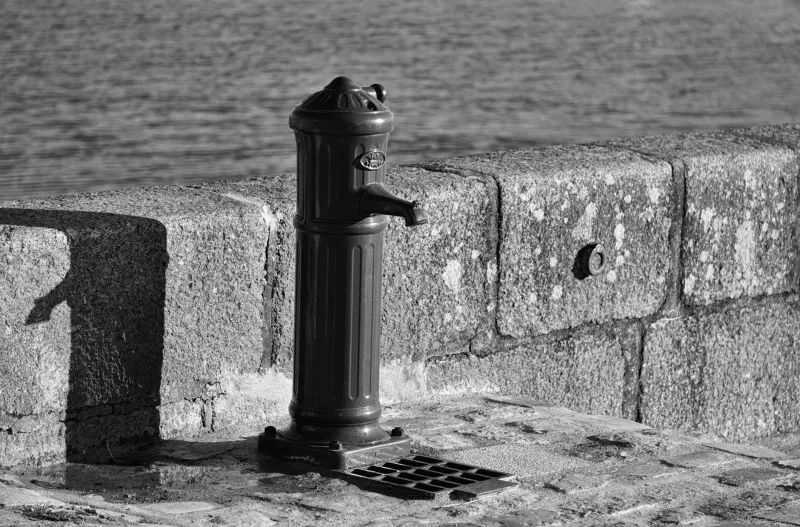
London will happily sell you a £6 flat white, but the city also has a older habit of giving water away from cold stone. This walk follows the Victorian drinking fountains and cattle troughs that still punctuate the pavement between the Embankment and Smithfield. It is a gentle two-hour ramble through public health, philanthropy and the odd moral argument about beer.
The route at a glance
Start at Embankment station, riverside exit. Finish at Smithfield Market. Distance is roughly 2.5 miles, mostly flat pavement with a few kerbs. Allow two hours at a stroll, longer if you keep stopping to read plaques. A Saturday morning works well: the City is quiet, the market end is lively, and you can be in a Smithfield pub by lunchtime.
Bring a water bottle. Some fountains still run; others are seasonal, capped or waiting for a repair. This is a walk about optimism, not guarantees.
Stop 1: The Embankment’s granite persuasions
Walk west along the Victoria Embankment gardens, or east towards Temple if you prefer to start with the river on your left. The Embankment itself was completed in 1870, a piece of Victorian civil engineering that doubled as a promenade and a sewer solution. Among the lamps and memorials are low granite blocks that look like benches for very small giants. These are drinking fountains.
Look for a higher basin for people and a lower one at ankle height for dogs. Run your eye over the stone for a plaque. The magic words are usually 'Metropolitan Drinking Fountain and Cattle Trough Association'. That body, founded in 1859, was behind hundreds of these installations. Its message was simple: free water, available to all, no purchase necessary.
In the 2026 city, the Embankment fountains can be temperamental. Some are switched off outside the warmer months. If the spout is dry, don’t take it personally. The stone is still doing its historical work.
Stop 2: Temple and the legal thirst
Turn inland at Temple and thread through the quieter streets towards Fleet Street. This is where the walk shifts from river air to legal London. Barristers, clerks and journalists have all needed water, and the Victorians were keen to provide it before anyone reached for something stronger.
Keep an eye on churchyard walls and pub corners. A fountain does not need a grand square. Sometimes it is a modest granite basin set into a boundary wall, with a bronze or iron spout projecting like a small beak. The lower animal bowl is the giveaway. So is the staining: decades of London water leave a green-black tide mark that no pressure washer quite erases.
These fountains were not neutral. They were part of a temperance argument that saw public water as a rival to the pub. The logic was practical as well as moral. Clean water was safer than questionable beer, and free water was available to people who could not afford either.
Stop 3: Fleet Street and the temperance press
Fleet Street is a good place to remember that the temperance movement was not a fringe hobby. It published, campaigned and organised. Coffee houses, reading rooms and public fountains were all part of the same push to offer an alternative to the alehouse.
Look for fountains attached to churches or set into railings. The inscriptions are often wonderfully dull, which is how you know they are genuine. Dates, names of donors, a line about the association. Occasionally you get a fragment of scripture or a reminder to keep the pavement dry. These small instructions are the human detail: Victorian civic pride with a mop in mind.
If you pass a fountain that has been converted into a planter, don’t dismiss it. Reuse is part of the story. London rarely throws anything away if it can be repurposed as street furniture.
Stop 4: St Sepulchre’s and the first fountain
Continue west towards Holborn Viaduct and St Sepulchre-without-Newgate. This church is the emotional centre of the walk. The Metropolitan Drinking Fountain and Cattle Trough Association erected its first London fountain at St Sepulchre’s in 1859. The original installation has gone, but the site still matters. It is where the idea that a city might owe its people a free drink took physical shape.
Stand outside the church and imagine the crowd. Not a grand ceremony, but a queue. Workers, children, animals, people who had walked through smoke and dust. The fountain offered something almost radical: water without a transaction.
There were arguments, of course. Shared cups raised hygiene worries. Some fountains were vandalised. Others froze. The association kept going, because the need was obvious. By the end of the century, these granite blocks were part of the ordinary furniture of London life.
Stop 5: Smithfield’s animal basins
The final stretch takes you to Smithfield, where the cattle troughs make their own case. Smithfield was a live animal market for centuries, and the troughs here were not just for thirsty humans. The lower basins served horses, dogs and cattle. The stone is often worn smooth at the lip, which tells you more about daily use than any plaque.
Look for a trough on a corner or set back from the pavement. Some are now planted with flowers. Some have been moved. The best ones still have the association’s name cut into the side. The lettering is small, so you have to lean in. That is the point of this walk: the history is not always at eye level.
Animal welfare and public health met in these troughs. A working horse needed water. A stray dog needed water. A market porter needed water. The same piece of granite served all three, which is a quietly impressive piece of Victorian design.
How to spot a survivor
Three things to check. First, the plaque: 'Metropolitan Drinking Fountain and Cattle Trough Association' is the phrase to hunt for. Second, the shape: a high basin, a low basin, often a central pillar. Third, the spout: bronze, iron or a later replacement, sometimes with a lion’s head or a simple nozzle.
Faded inscriptions are worth reading. They often name a donor, a date, or a local vestry. These are the small anchors that date the stone. If you see a fountain that looks like a plain block with no obvious bowl, check the base. The animal trough may be the only part left.
Practical notes for 2026
Not every fountain runs. The Embankment ones are the most likely to be off out of season. City locations are often better maintained. Carry a bottle anyway, and treat any working spout as a bonus. Do not climb into the animal basins, however inviting they look after a long walk.
Public toilets are sparse on this route. Use the stations at Embankment and Farringdon, or plan a pub stop at the end. The walk is pushchair-friendly apart from a few kerbs, and the Smithfield end is busier on market days.
Finish with a pint if you like. The temperance campaigners lost that particular argument, but they left London a more useful city. The pubs are warm; the fountains are free. On a cold Saturday, both have their merits.