After the Office Lights: A Winter Dusk Walk Among Westminster's Gas Lamps
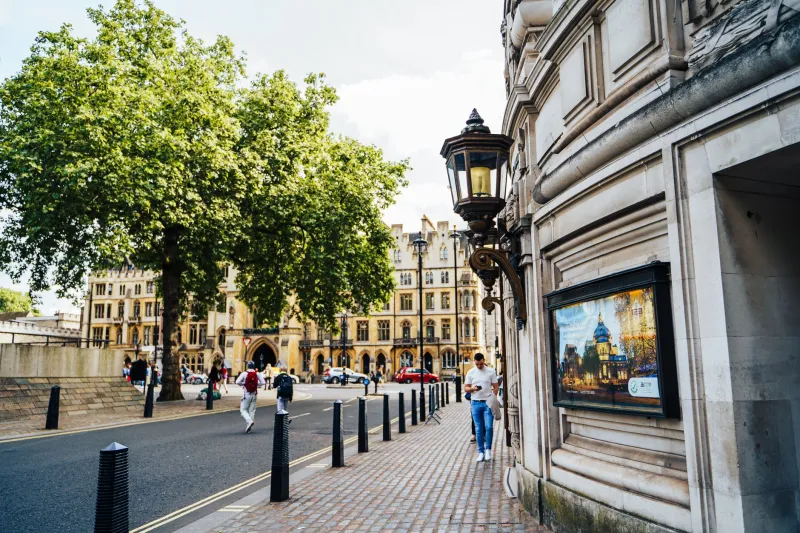
London does not switch off at dusk; it changes gear. Office windows go dark, pavements turn slick, and in a handful of Westminster streets a older kind of light comes on with a soft pop and a faint hiss. Gas lamps are not a museum piece here. They are working street furniture, and they make a very good excuse for a winter walk.
The route at a glance
- Start: St James's Park station, Broadway exit
- End: Westminster station
- Distance: about 2 miles
- Time: 90 minutes with stops
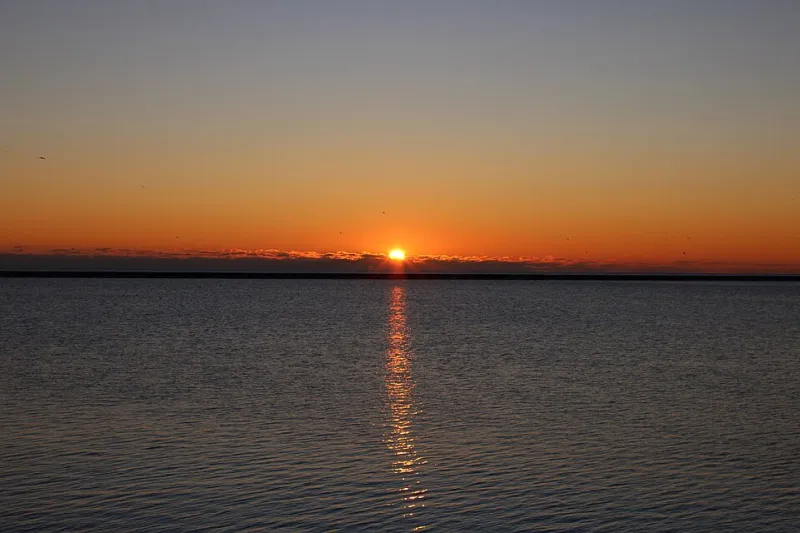
- Best window: December to early February, starting between 3:15pm and 3:45pm. Sunset in early January is around 4:10pm, so the lamps are usually lit by the time the sky turns cobalt. Check sunset before you go. Rain makes the glow better and the pavements worse.
- Map, in words: Broadway to St James's Street, into Blue Ball Yard, then St James's Place, Lord North Street, Smith Square, Cowley Street, Barton Street, Great College Street, Little Cloister, Dean's Yard, and out to Westminster station.
Blue Ball Yard and the first glow
Blue Ball Yard is a narrow slice of old St James's, and its gas lamp is a good first stop because the street is quiet enough to hear the flame. London's gas story began nearby: in 1807 a demonstration lamp was lit in Pall Mall, and by the 1810s gas was spreading through the West End. Westminster Bridge was lit by gas in 1812. Lamplighters walked these streets with a pole and a ladder, lighting, extinguishing and trimming wicks. The job sounds romantic now; it was shift work in all weathers.
Westminster still has around 1,500 gas lamps, which is the largest surviving collection in the country. Some are maintained on timers, some still need a visit from a technician, and all of them depend on a mantle that can be temperamental. Look for the small glass pane, the ladder rest and the brass fittings. These are not replicas dressed up for tourists.
The politics of the dark street are part of the story too. Before reliable lighting, London's evening belonged to link boys, oil lamps and people who could afford to be escorted. Gas changed the argument about who was responsible for a safe street. It was expensive, it was smelly, and it was fought over by parishes and companies. The glow on the brickwork today is pleasant. The history behind it is municipal grit.
St James's Place and Lord North Street
Turn into St James's Place and the walk becomes residential. This is the part where you remember that gas lamps are attached to people's houses, not a film set. Keep your voice down, do not block doorways, and do not photograph through windows. If someone comes out, step aside and say hello. A small group is easier to manage than a crowd with tripods.
For photographs, the sweet spot is blue hour, when the sky still has colour and the lamps have just taken over. Use a high ISO, a wide aperture and steady yourself against a wall or railing. Flash kills the whole effect. The best pictures are not of the lamp alone but of what it does to wet paving, iron railings and London brick. A pocket torch is useful for seeing where you are putting your feet; do not shine it into windows.
Smith Square and Cowley Street
St John's Smith Square is a useful landmark, and the surrounding streets have a generous scattering of lamps. Some are elegant, some are plain, and a few are clearly elderly. Do not touch them. The glass gets hot, the fittings are fragile, and a gas lamp is not a prop.
Cowley Street and Barton Street take you into the quiet grid behind Westminster Abbey. This is the heart of the walk. The lamps here are often photographed, so expect the occasional tripod. Stand to one side, take your shot, move on. The pavements are narrow and residents still need to get past.
Barton Street to Dean's Yard
Great College Street runs along the Abbey's edge, and Little Cloister is one of those passages that feels borrowed from another century. The gas lamps here are small and close to the walls, which makes them look more like lanterns than street furniture. Dean's Yard is a good place to pause before the noise of Victoria Street returns.
Practical notes
- Respect the streets: these are homes. No flash, no tripods across the pavement, no lingering outside a front door.
- Check the time: the lamps come on around dusk, but the exact moment varies. Start too early and you will finish in daylight; start too late and you will miss the blue in the sky.
- Pub stop: The Speaker on Great Peter Street is a sensible end-of-walk stop, or The Feathers if you are heading back towards Victoria.
- Travel: St James's Park and Westminster are both well served by Tube and bus. Check TfL before you set out.
- Weather: winter rain makes the reflections sing, but the pavements get slippery. Wear shoes with grip.
Gas lamps are easy to ignore in the daytime. At dusk, they turn an ordinary Westminster backstreet into a small piece of theatre. Go slowly, keep your voice low, and let the lamplight do the talking.