The Brick Boxes That Chilled a City: A Regent’s Canal Ramble from Gatti’s Wharf to Camden Lock
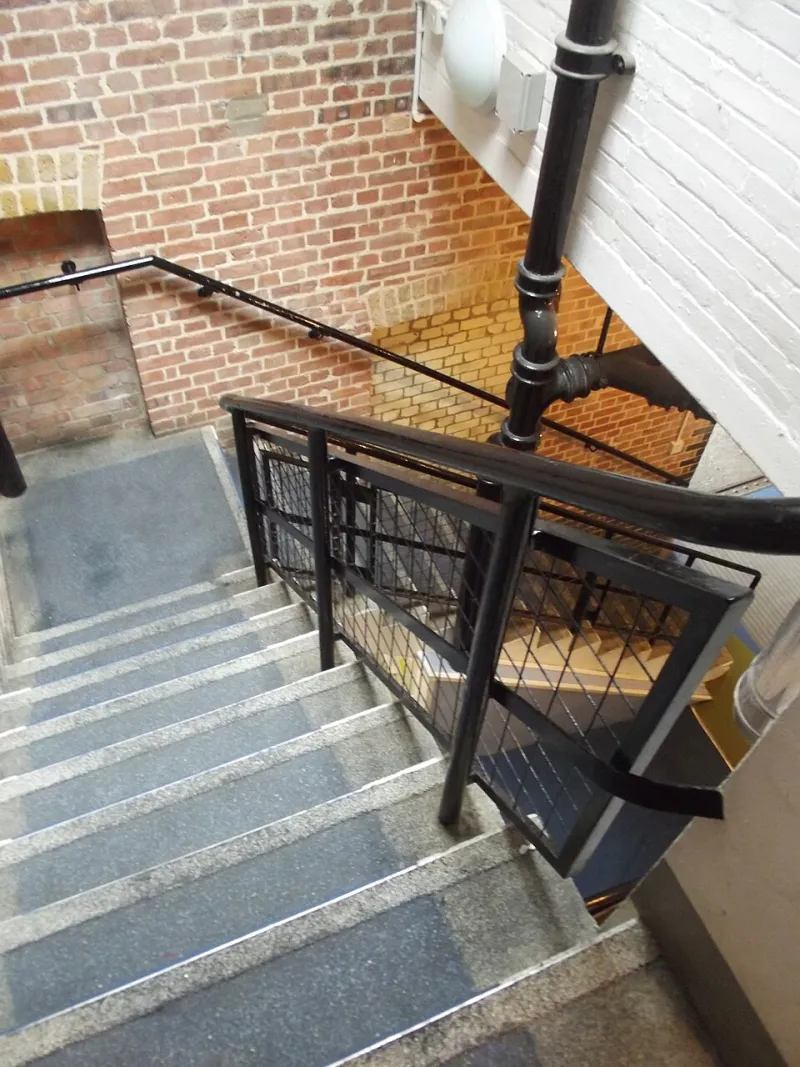
Photo: ell brown, CC BY-SA 2.0, via Wikimedia Commons
Most weekend walks along the Regent’s Canal are about narrowboats, coffee stops and the pleasant surprise of finding water where you expected warehouses. This one adds a colder layer. Between King’s Cross and Camden, beneath the pavements and beside the towpath, London once stored winter.
Start with the ice wells
Begin at the London Canal Museum on New Wharf Road, a short walk from King’s Cross station. The museum occupies a former ice warehouse, and its two brick-lined ice wells are the reason to start here rather than simply join the towpath. These deep, cylindrical chambers were built for Carlo Gatti, the Swiss-Italian entrepreneur whose name turns up all over London’s ice trade. In the 1850s, ice was not a novelty for a few grand kitchens. It was infrastructure for fishmongers, butchers, dairy sellers and anyone trying to keep food from turning in a city without electric refrigeration.
The wells are a useful correction to the idea that Victorian London was all smoke and steam. It also depended on cold. Ice arrived from Norway, cut from lakes and packed in sawdust, then shipped into London and moved on by canal and rail. The Regent’s Canal gave the trade a route; the brick wells gave it a place to wait. Check the museum’s opening times before you go, as the wells are viewed as part of the museum rather than from the towpath.
Cold cargo on the cut
Leave the museum and join the canal. The walk north towards Camden is flat and easy to follow, but it repays slow looking. At Battlebridge Basin, the water widens and the old wharf buildings feel close enough to touch. This is a good place to imagine the practical side of the ice trade: blocks unloaded, sawdust swept up, cold stores checked, deliveries sent out before the day warmed.
Carlo Gatti’s operation was not small. His ice wells could hold vast quantities, and the business fed into the everyday food economy of the city. Norwegian ice was not just for cocktails or country-house parties. It helped keep milk, meat and fish in a usable state, and it made early ice cream a more reliable treat. The canal was the moving part of that system. The wells were the pause button.
The route: King’s Cross to Camden
From the London Canal Museum, follow the towpath north with the water on your left. You will pass Camley Street Natural Park, a pocket of reed beds and scrub that feels improbably rural for zone one. Continue past St Pancras Lock, where the canal steps up towards Camden, and keep an eye on the skyline: the great gasholder frames above Coal Drops Yard are a reminder that this corridor was built for work, not leisure.
At Coal Drops Yard you can leave the towpath briefly for a coffee or a loo stop, then rejoin and carry on to Camden Lock. The finish is busy, especially at weekends, but that is part of the contrast. You have walked from the quiet storage end of the ice trade to the market end of the canal, where the same water is now framed by food stalls and crowds.
Map stops
- London Canal Museum, New Wharf Road — the surviving ice wells and the Gatti story.
- Battlebridge Basin — wharf buildings and a sense of the old canal trade.
- Camley Street Natural Park — a green interruption on the towpath.
- St Pancras Lock — the canal’s working geometry, still visible.
- Coal Drops Yard and the gasholder frames — industrial scale above the water.
- Camden Lock and the Ice Wharf — a modern name that remembers the old cold trade.
Practical notes
The walk is about two miles and takes roughly 90 minutes without stops. The towpath is flat but narrow in places, and it can be muddy after rain. Camden Lock is the natural finish, with plenty of buses and Underground connections. If the museum is closed when you arrive, do not write off the walk: the towpath still carries the story, and the Ice Wharf name at Camden is a small echo of the cold stores that once made this stretch useful. Go on a crisp morning if you can. The subject suits it.