Iron Lungs on the Thames: A Stink-Pipe Stroll from Chelsea to Westminster
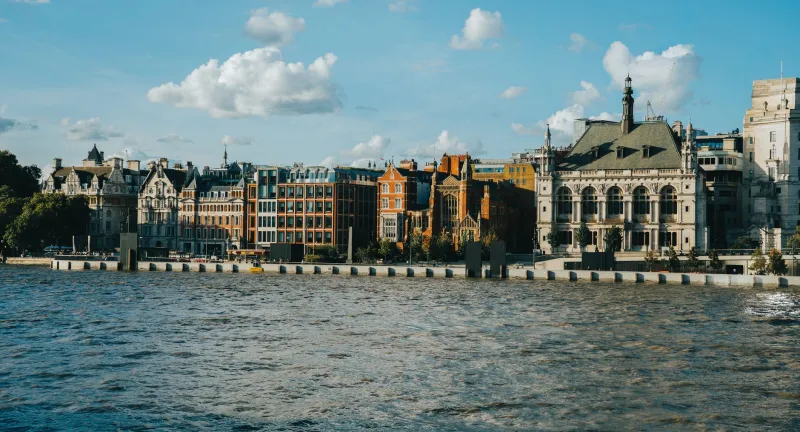
London is good at hiding its plumbing in plain sight. Along the Thames, between Chelsea and Westminster, you will pass tall black columns that look like lamp posts with the lamps removed, or perhaps ornamental pillars left behind by a nervous architect. Most are neither. They are sewer vents: cast-iron lungs for the great underground system that still keeps the city breathing.
This is a short, flat walk with a simple pleasure. You are not going underground. You are learning to see the bits of Victorian infrastructure that were deliberately put above it.
Why the river needed lungs
The story starts with smell, and with fear. In the summer of 1858, the Great Stink pushed Parliament towards action. Joseph Bazalgette’s main drainage system followed: a network of intercepting sewers that carried London’s waste away from the river and out of the city. It was an enormous piece of engineering, and it needed air.
Sewers produce gas. If that gas cannot escape, it builds up, finds weak joints, and makes its presence known in the worst possible places. Ventilation shafts were part of the design from the start. Some were tucked into streets; others rose as tall pipes near the river. Height mattered. A vent that releases gases above head height is less offensive than one that breathes at pavement level.
So those iron columns are not decorative leftovers. They are working parts of the system, or at least they mark places where the system has needed to breathe. Some have been replaced, some adapted, some stand as survivors beside newer covers and access points. The walk is about noticing that layer of the city.
The route at a glance
Start at Chelsea Embankment, near Albert Bridge and the riverside gardens. Finish at Westminster Bridge, by Victoria Tower Gardens. The route is roughly two and a half miles along the Thames Path and adjacent streets, mostly flat and easy to follow. Allow ninety minutes if you march, two hours if you look properly.
The nearest Tube for the start is Sloane Square, followed by a ten-minute walk to the river. The finish is handy for Westminster station. Go on a dry weekend morning, when the riverside is quiet enough to study railings and bases without being swept along by a crowd.
Stop one: Chelsea Embankment Gardens
Begin where the Embankment gardens meet the river wall. This stretch is a good place to learn the silhouette. Look for a tall, slender cast-iron shaft with a fluted body, a sturdy base and a cap that is not quite a lamp. Some have crown-like tops or louvered ventilators. They often stand near the road edge or against railings, as if pretending to be street furniture.
The Chelsea Embankment itself was built in the 1870s as part of Bazalgette’s wider riverside improvements. That helps explain why vents cluster here. The new embankment carried sewers as well as traffic, and the riverside was a sensible place to let them exhale. Stand back and compare the pipe with the lamp posts. The vent has no door for a lamplighter, no glass, no bracket for a lantern. Once you have the shape in your eye, you will start spotting candidates all along the route.
Stop two: the Royal Hospital reach
Walk east past the Royal Hospital Chelsea, keeping the river on your right where possible. This is a stretch for slow looking. The Embankment changes character, the gardens give way to road and wall, and the pipe-spotting becomes a matter of scanning the gaps between trees and railings.
Not every black pole is a sewer vent. Some are lamp columns, some are signposts, some are the remains of older street equipment. The tell is usually the proportions: a vent is often taller and plainer, with a solid base and a cap designed for air rather than light. Look for a small access hatch near the bottom, a flanged foot, or a shaft that seems too robust for its job. The Victorians did not hide their engineering. They simply made it ordinary.
This reach also shows how closely the river and the sewer system are tied together. The Embankment was not just a pretty promenade. It was a piece of public health infrastructure dressed in stone, with iron fittings.
Stop three: Millbank and Tate Britain
Continue east as the road becomes Grosvenor Road and then Millbank. The Tate Britain is set back from the river, and the streets around it reward a short detour. Keep an eye on the edge of the pavement and the boundary walls. Vent pipes in this area can feel almost domestic, standing beside older railings as if they belong to the building rather than the street.
This is where the walk becomes a game of architectural comparison. A Victorian vent has a certain confidence: cast iron, repeated fluting, a heavy cap. Later replacements are often squatter and more functional. Neither is more authentic. The point is that the system has been maintained, patched and rethought. The pipe is a piece of working history, not a museum object.
If you need a pause, the riverside near Vauxhall Bridge is a good place to reset. Then carry on towards Victoria Tower Gardens.
Stop four: Westminster and the finish
Finish at Westminster Bridge, where the river opens out and the palaces do their best to look permanent. Before you leave, look back along the Embankment wall and the edge of Victoria Tower Gardens. This is the grandest section of the walk, but the ironwork is still there if you look for it: vents, covers, railings and the small technical details that keep the ceremonial city running.
From here you can extend east along Victoria Embankment, where more ventilation infrastructure appears in different forms. Or call it a day and head for Westminster station. Either way, you have walked a line between two kinds of London: the one that poses for photographs and the one that quietly carries the waste away.
How to spot a stink pipe
Look for a tall cast-iron column with no lamp, no sign and no obvious use. Check the top: a vent may have a crown, a louvered cap or a simple open grille. Check the base: a flanged foot or small hatch is a good clue. Check the context: riverside embankments, old sewer routes and street corners are all likely places.
And do not sniff. The whole point of the tall pipe is that the smell is meant to be above you. This is a walk about engineering, not endurance.
Practical notes
The route is flat and largely step-free, though pavement surfaces vary. There are toilets and cafés near Chelsea and Westminster. The walk is best done in daylight; the pipes are easiest to photograph in low, angled sun. Bring a phone map, but keep looking up. The city’s iron breath is easy to miss if you stare only at the river.