Windows Without Shoppers: An Oxford Street Walk Through Reinvention
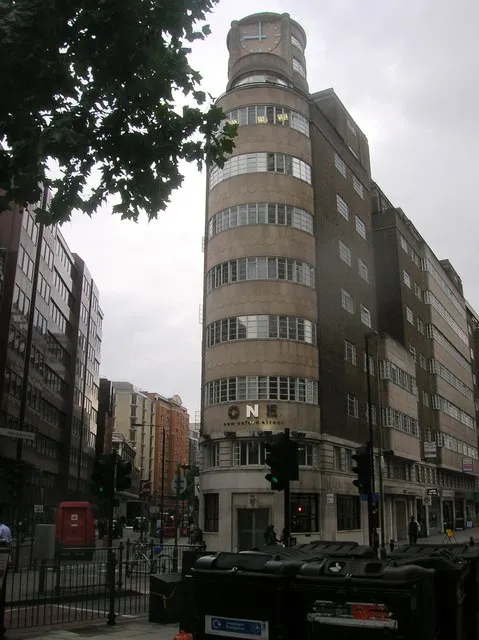
Photo: R Sones, CC BY-SA 2.0, via Wikimedia Commons
Oxford Street is a strange place to walk if you are not shopping. The windows still glow, the buses still queue, the pavements still heave. But look a little harder and the street starts to look like a theatre between productions: hoardings, To Let signs, scaffolding, old shopfronts waiting for their next part. This is a walk about reinvention, not retail therapy.
The route at a glance
Start at Marble Arch and head east along the north side of Oxford Street. Pause at Selfridges, cross towards Bond Street, dip into St Christopher's Place, continue to Oxford Circus, take a short loop up Argyll Street, then return along the south side and finish at Tottenham Court Road. Allow ninety minutes to two hours. Sunday morning is good: the shutters are down, the windows are quieter and the architecture has room to speak.
Marble Arch and the edge of the stage
Marble Arch is a useful starting point because it reminds you that Oxford Street has never been a single idea. The arch itself is a relic of a grander plan, moved here after failing to serve its original purpose. That is not a bad metaphor for the street. Oxford Street is full of things that were built for one world and have had to adapt to another.
Walk east and look at the scale of the buildings rather than the names on them. The street's architecture is a mix of Edwardian confidence, interwar commercial swagger and post-war filler. The shopfronts change; the bones stay put.
Selfridges and the department store as theatre
Selfridges is not a ghost. It is the opposite: a department store that still understands spectacle. But it is worth looking at it as a piece of urban theatre. When it opened in 1909, it offered shopping as an experience — light, display, perfume, restaurants, a place to spend an afternoon rather than simply buy a thing.
That model reshaped Oxford Street. Other stores followed, and the street became a parade of big fronts and bigger windows. Today, some of those department stores have closed or been converted, and the ones that remain are experimenting with what a shop is for. Look at the windows: are they selling goods, or are they selling a mood?
Bond Street and the side-street arcades
Cross towards Bond Street and take a detour into St Christopher's Place. This is where the walk becomes useful. Oxford Street's side streets are the escape valves of the retail machine: alleys, arcades and small squares that were once service routes or modest shopping lanes and are now eating quarters, pop-ups and quiet corners.
Look for ghost signs on the brickwork above the restaurants. Painted lettering for long-gone businesses is one of the few forms of advertising that improves with age. The side streets also show how Oxford Street survives: not just by big names, but by the small, adaptable spaces around them.
Oxford Circus and the empty windows
At Oxford Circus, stop and look at the corner buildings rather than the crossing. The former Topshop flagship is a good example of how quickly a landmark can change its meaning. A building that once felt like the centre of youth fashion becomes, for a while, a hoarding and a question mark. The same is true of the former Debenhams building further west: a department store shell that has had to imagine a future without department stores.
Here is the opinion bit. Empty shopfronts are not simply a sign that the high street is dying. They are also a sign that it is shedding a skin. The risk is not emptiness itself; the risk is that the replacement is bland. A street of offices, hotels and experience venues can look busy and still feel as if it has no everyday life. The interesting question is not whether Oxford Street will change — it always does — but whether it will keep room for the ordinary.
Argyll Street and the repurposed building
Take a short loop up Argyll Street and back. This is a good place to read conversion. Buildings that were built for one kind of trade are now offices, flats, studios or short-let spaces. Look at the upper floors: the old lettering, the warehouse windows, the decorative details that were meant to be seen from street level.
Oxford Street's architecture has always been commercial, but commercial does not mean disposable. The best conversions keep the street's texture. The worst ones sand it down into something that could be anywhere. As you walk, ask which buildings still feel like they belong to London and which ones feel like they have been dropped in from a business park.
Poland Street and the ghost signs
Turn off Oxford Street into Poland Street and slow down. The side streets east of Oxford Circus are full of old painted signs, faded lettering and shopfronts that have been adapted so many times they look like archaeological layers. A ghost sign is a small act of defiance: the business is gone, but the wall still remembers.
This is also where you notice the smaller infrastructure of the high street: service doors, loading bays, rear entrances and the bits that never appear in the adverts. Oxford Street is a machine for moving people and goods. The side streets are where the machine shows its workings.
Tottenham Court Road and the pause
Finish at Tottenham Court Road, where the street meets the building site and the future. The empty shopfront is not a full stop; it is a pause. Some of today's vacancies will become something clever. Some will become something dull. A few will become something nobody predicted.
Walk the route on a quiet morning and you get a clearer view of the street's long habit of reinvention. Oxford Street has been a turnpike, a shopping parade, a tourist spectacle and a building site. It will be something else next. The windows without shoppers are not the end of the story. They are the bit between chapters.